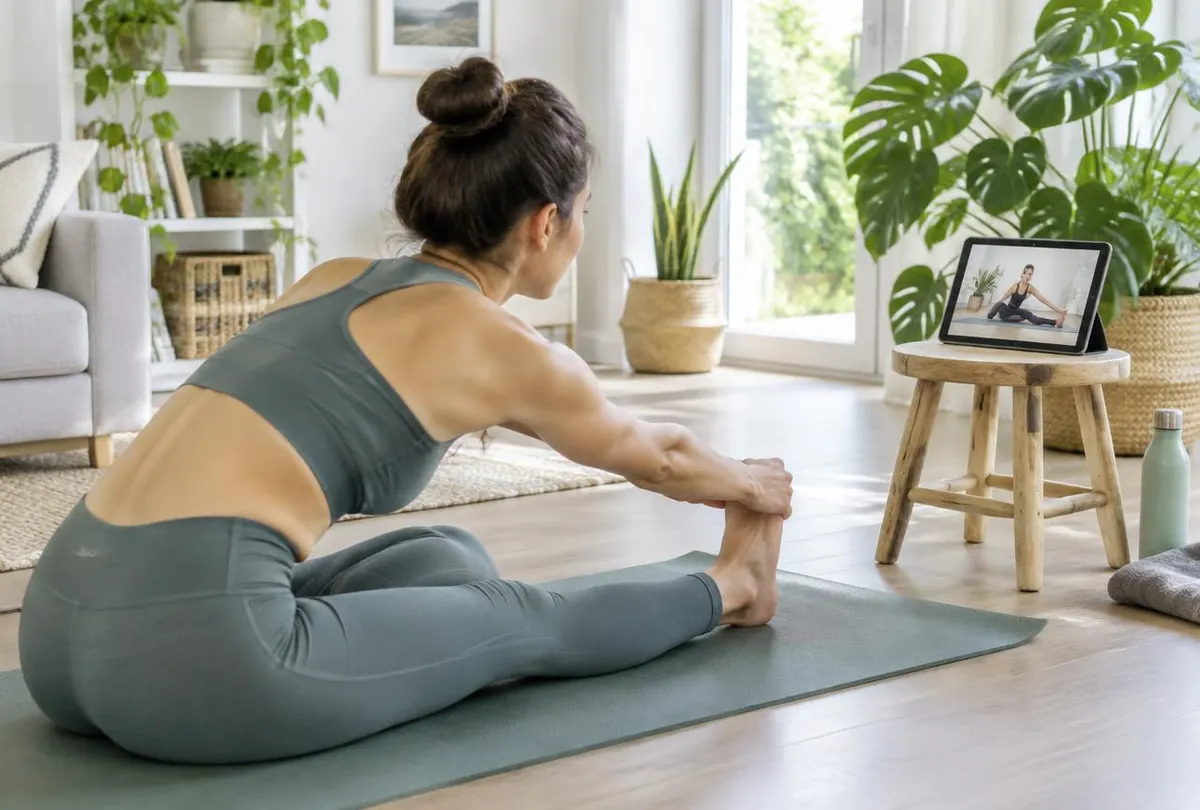
Training at home removes the commute to the gym but introduces new obstacles: limited space, limited equipment, interruptions and the ever-present sofa. A home workout app has to make starting easy and following along effortless.
Design for short windows of time
Many home workouts happen in the gaps — before work, during a lunch break, after children are asleep. Offer sessions of different lengths and make duration a primary filter, not a hidden setting.
Make the session player readable from a distance
The phone is often on the floor or propped against a wall. Use a large timer, bold exercise names and clear progress indicators. Audio cues help users stay in rhythm without looking at the screen.
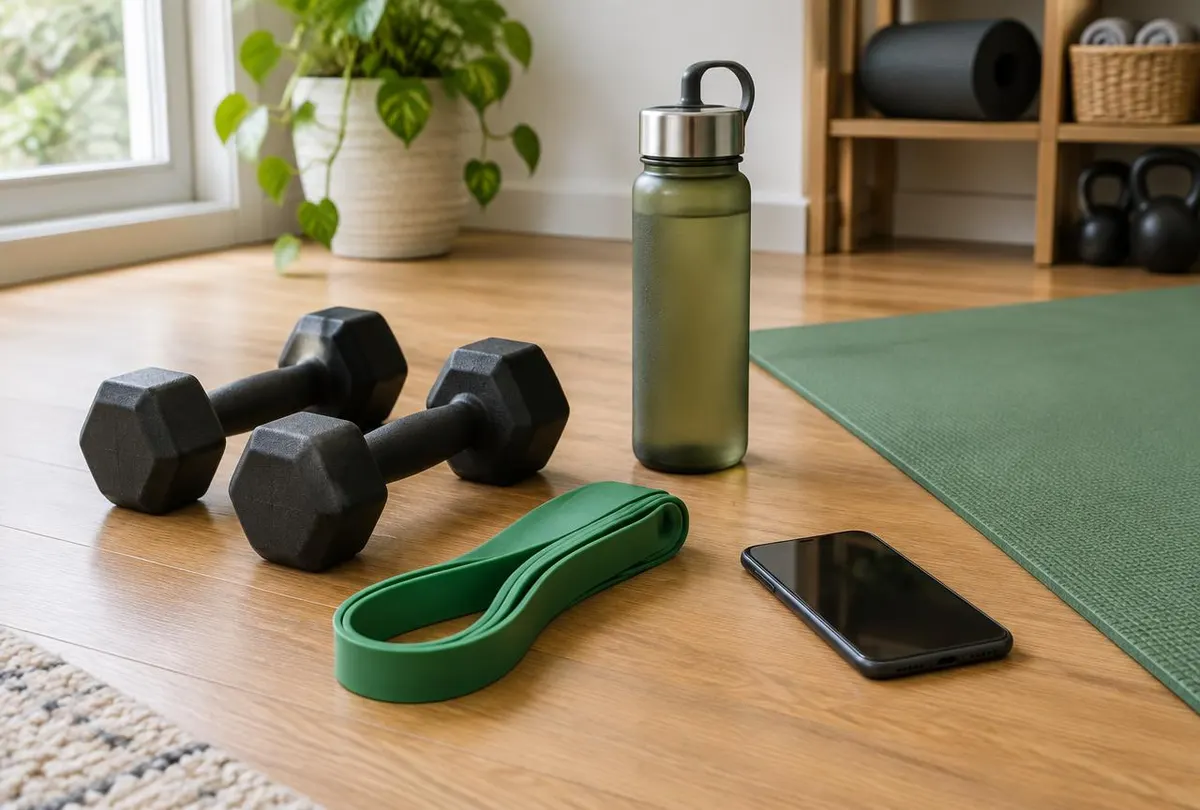
Respect space and equipment
Let users indicate available equipment and space, then filter exercises accordingly. A no-equipment option should always be available.
Keep the plan flexible
Life interrupts schedules. A weekly plan that allows missed sessions to be moved, rather than marked as failed, keeps users engaged. Calendars should show what is planned and what is done without judgement.
Transitions matter
The seconds between exercises are where users lose momentum. Preview the next exercise during rest, and keep transitions consistent so users learn the rhythm.
Responsible content
Provide clear exercise instructions and encourage users to work within their own limits. Avoid promises about weight loss or specific physical outcomes; results vary by person.
Planning an app in this area? We help founders and businesses shape and build mobile products like these. Discuss your app idea.